
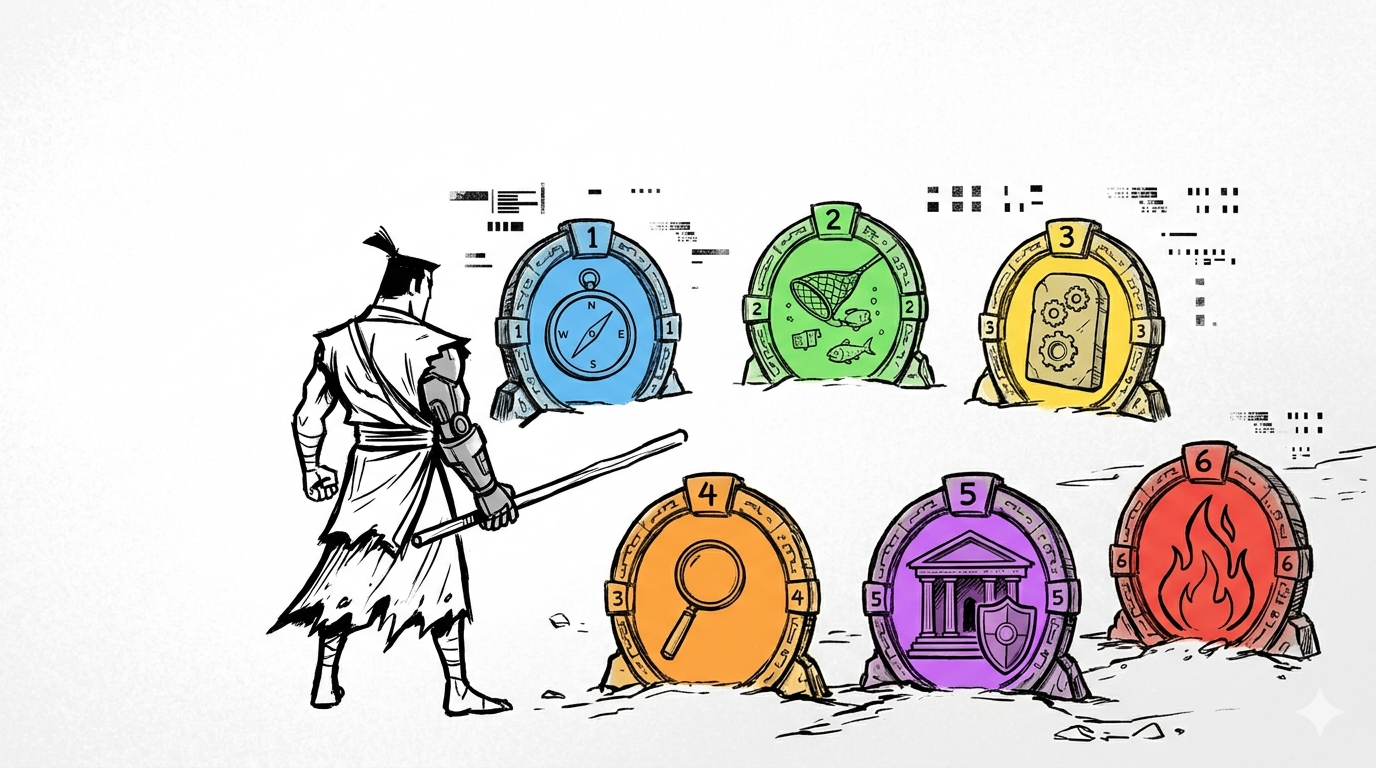
Data Lifecycle: the journey of Data
Most people think data is like a diamond—it lasts forever and never changes. In reality, data is more like milk. It has an expiration date, it needs to be stored correctly, and if you leave it out on the counter for too long, it gets really, really stinky.
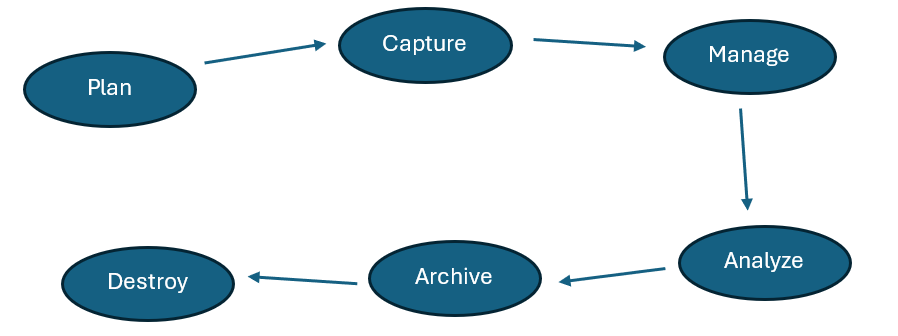
Just like milk, to keep your Data fresh you need to follow the Data Lifecycle. This is the step-by-step journey every piece of information/data takes from the moment it’s created to the moment it’s deleted.
For example, imagine you ask your friend on WhatsApp where he is, and your friend replies with his GPS location in the chat. Congratulations, You have just “captured” a piece of data, and now you are responsible for it—you must Manage that pin on your map, Analyze the best route to get to that location/pin on the map, Archive the address for the next time you want to meet him, and eventually Destroy the chat to save your phone’s storage. If you fail any part of that cycle, you’re either lost in the parking lot or staring at a “Storage Full” error.
If you ignore the lifecycle, you end up with “Data Debt”—a mountain of messy, useless files that slow down your Power BI reports and lead to bad decisions. Here are the 6 stages to mastering the cycle.
Table of Contents
1. Plan: The “Map” Stage
Before you ever touch a database, you have to decide what you’re looking for.
- The Goal: Decide what data is needed, who is responsible for it, and how it will be managed.
- Stupid Pro Tip: Don’t collect data “just in case.” If you don’t have a plan for how to use it, you’re just creating digital clutter.
2. Capture: The “Gather” Stage
This is where the data actually enters your world. You might be pulling “Expense Amt” from SAP, or scraping website clicks from Google Analytics.
- The Goal: Collect or bring in data from a variety of different sources.
- The Pro Move: Ensure your data is clean at the source. It’s much easier to fix a typo during the Capture stage than it is six months later in a Power BI dashboard.
3. Manage: The “Care” Stage
Data needs a home. This stage of the Data Lifecycle is about maintenance—determining where it is stored and the tools (like SQL or SharePoint) used to protect it.
- The Goal: Care for and maintain the data so it stays secure and accessible.
- External Resource: Proper management often follows the Data Governance Institute standards to ensure everyone is using the same version of the truth.
4. Analyze: The “Value” Stage
This is the “Superpower” stage we talked about in our Analytical Thinking guide. This is where the magic happens.
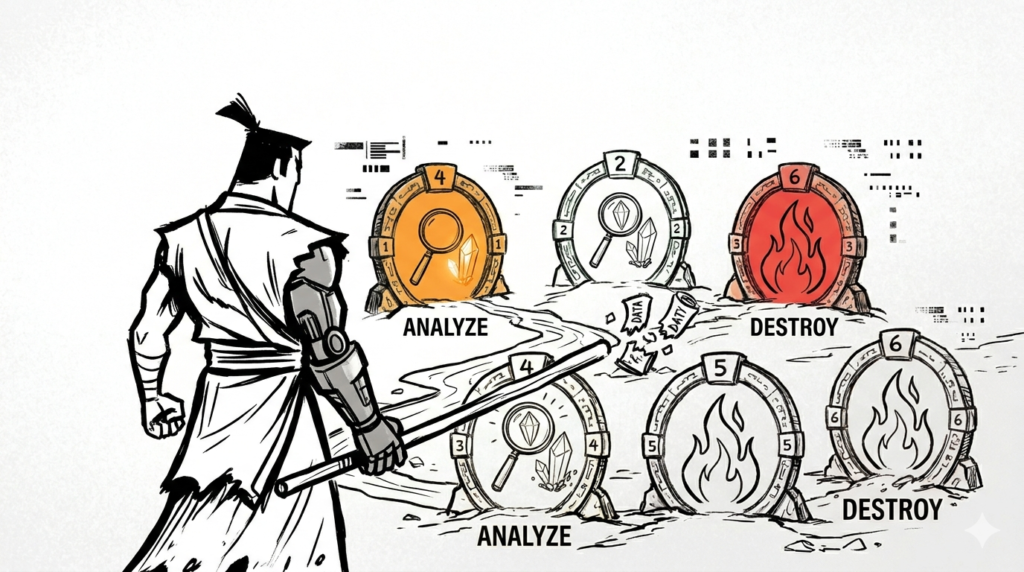
- The Goal: Use the data to solve problems, make decisions, and support business goals.
- The Secret: If you planned correctly in Stage 1, this stage is easy. If you didn’t, this stage is a nightmare.
5. Archive: The “Safety” Stage
Not all data needs to be in your active reports, but you might need it for a “Year-over-Year” comparison later. This is the “Attic” phase of the Data Lifecycle.
- The Goal: Keep relevant data stored for long-term and future reference.
- Stupid Simple Tip: Think of this as the “Attic” of your data house. It’s out of the way, but you know exactly where to find it if an auditor asks.
6. Destroy: The “Clean” Stage
This is the most ignored stage, but it’s the most important for security. The Data Lifecycle ends with a clean slate. Keeping old, sensitive data is a liability.
- The Goal: Remove data from storage and delete any shared copies of the data.
- The Danger: If you don’t destroy data, you risk data breaches and “Analysis Paralysis” from looking at outdated numbers.
- External Resource: Check out the NIST Guidelines for Media Sanitization to see how pros actually “delete” things for good.
Conclusion: Respect the Cycle
When you respect the Data Lifecycle, you stop being a “Data Hoarder” and start being a Strategic Analyst. You save space, you save time, and most importantly, you save your reputation from being ruined by “stale data.”
Follow us: www.youtube.com/@stupidanalytic4853
Also read: https://stupidanalytic.com/data-analytics-process-masterclass/